Choropedia
Viriato Figueira da Silva: Brazilian Flutist
Learn about Viriato Figueira da Silva, flutist and composer of the first choro generation.
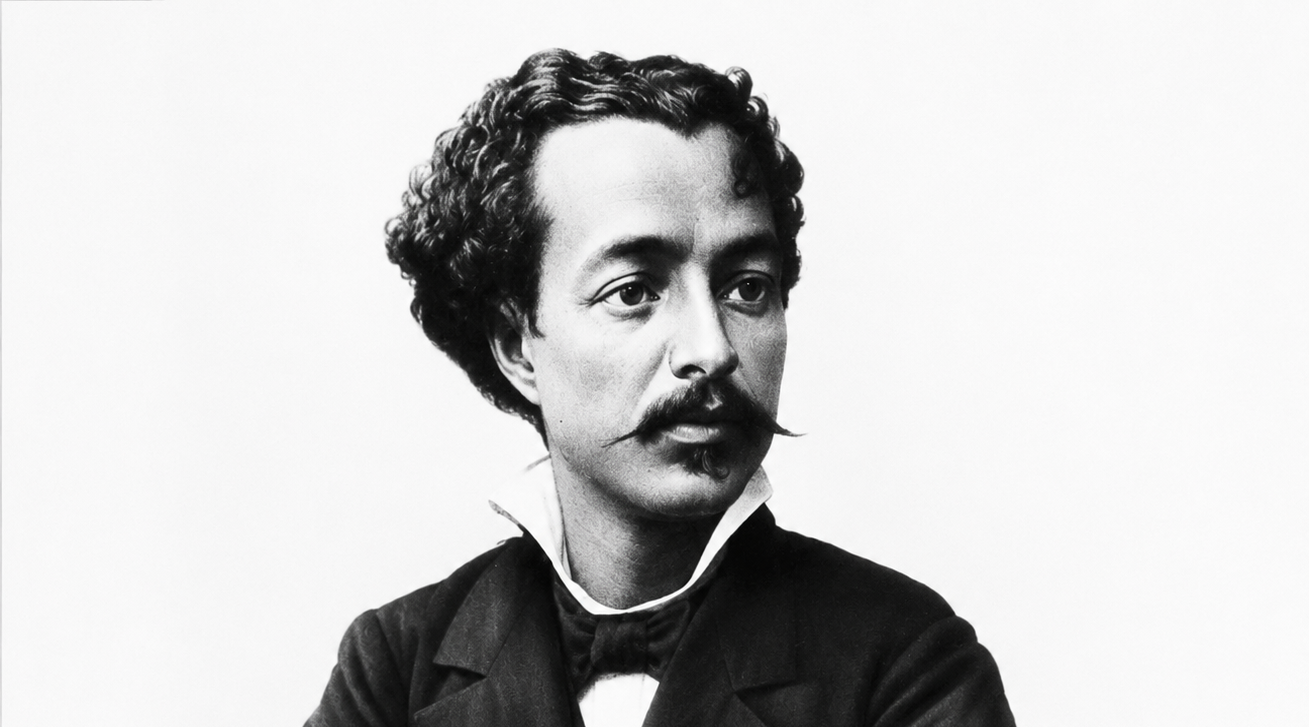
Viriato Figueira da Silva (Macaé, c. 1851 – Rio de Janeiro, April 24, 1883): flutist, composer and conductor of the first generation of choro, direct heir to Joaquim Callado and one of the first saxophone soloists in Brazil.
Viriato Figueira da Silva choro flute saxophone polca first generation Joaquim Callado Brazilian music Rio de Janeiro Empire
Introduction
Viriato Figueira da Silva was a flutist, composer, conductor and pioneer of the saxophone in Brazil, linked to the first generation of musicians who helped shape the language of choro in imperial Rio de Janeiro. Born in Macaé, in the state of Rio de Janeiro, he worked in the capital of the Empire at a decisive moment for Brazilian urban music, when polcas, quadrilhas, valsas, lundus and tangos brasileiros were beginning to be played with a local inflection, marked by syncopation, ornamentation, orality and the virtuosity of popular instrumentalists.
Formation and Context
Viriato belonged to the musical environment of the second half of the nineteenth century, when Rio de Janeiro brought together musical theater, bands, salons, recreational societies, saraus, dances, public festivities and informal rodas (jam sessions) of musicians. This world did not rigidly separate the "classical" musician from the "popular" one. A single instrumentalist might play in theater, accompany dances, join a band, conduct ensembles, teach and circulate through the practices that would later be recognized as choro.
Viriato studied at the Conservatório de Música in Rio de Janeiro with Joaquim Callado, with whom he became a close friend. This proximity is fundamental, as Callado is a central figure in the formation of choro, both through his work as a flutist and through the establishment of an instrumental model in which the flute dialogued with violões and cavaquinho. Viriato emerges, therefore, not as a peripheral figure but within the oldest nucleus of the so-called velha guarda (old guard) of the chorões.
After Callado's death, Viriato became the leading flutist of his generation. He played in theaters, taught in private homes and participated in abolitionist festivities, freely offering his art in support of the cause.
Artistic Career
Viriato joined the Orchestra of the Teatro Fênix Dramática in Rio de Janeiro, under the direction of maestro Henrique Alves de Mesquita. In 1866, this orchestra performed in São Paulo at the Teatro São José. This detail is important because it shows Viriato embedded in the professional circuit of imperial theatrical music, not only in informal rodas.
In addition to the flute, Viriato was one of the first musicians to distinguish himself in Brazil as a saxophone soloist. The saxophone was then a relatively new instrument on the Brazilian musical scene.
His career also intersected with the abolitionist movement. He had a notable role in the Conferências Emancipadoras (Emancipation Conferences), including as conductor of the Banda dos Cigarreiros de Niterói. Viriato was a mixed-race flutist who performed alongside other Black and mixed-race musicians active in the musical and political environment of the period, such as Henrique Alves de Mesquita, Joaquim Callado and Horácio Fluminense.
Pedro de Assis recorded an artistic tour by Viriato through the capitals of the North, carried out with great success, following the example of the Belgian flutist André Reichert.
Works and Repertoire
Viriato's body of work survives in fragmentary form, through scores, manuscripts, reissues, later phonographic recordings and archival references. Sixteen works are associated with the composer, among them "É Segredo", "Então, Não É!", "Eufrasia", "Flor da Noite", "Gratidão", "Lucinda", "Macia", "Perpétua", "Polca em Dó nº 1", "Polca em Dó nº 2", "Saudade de São João do Príncipe", "Só para Moer" and "Uma Dor". There is doubt regarding the authorship of "Uma Dor," whose melody is said to be identical to the polca "Saudosa" by Joaquim Callado.
His best-known composition is "Só para Moer," a polca published in 1877 by José Maria Alves da Rocha and later by Artur Napoleão. The work remained in the chorões' repertoire and enjoyed a long phonographic circulation. Copies exist for piano, flute, melody, chord chart and arrangements by Maurício Carrilho.
Patápio Silva recorded "Só para Moer" for Odeon in 1904, with piano accompaniment. The piece later received lyrics by Catulo da Paixão Cearense and began to circulate also as "Não Vê-la Mais", recorded by Bahiano in 1912. Here we see a process common in Brazilian music of the period: an instrumental dance piece gains a new life as a song, crossing formats, performers and different musical markets.
Musical Style and Importance for Choro
Viriato wrote primarily within the universe of nineteenth-century urban dances, especially the polca. However, the historical value of his work lies not only in the genre indicated on the scores, but in the way this repertoire articulated with the nascent language of choro. In the nineteenth century, the polca was not yet "choro" as a fully consolidated genre, but it belonged to the genealogical tree of choro, as one of the European dances Brazilianized by the practice of carioca musicians.
In "É Segredo," analysis highlights the use of chromatic passages, formal organization in contrasting sections and the tonal relationship between parts — aspects that bring the piece close to the instrumental repertoire that would later be cultivated by the chorões. Six written versions of the work are known, all described as polca, but this classification was often generic given the variety of practices sheltered under the same name.
The case of "É Segredo" also helps illuminate an essential point about choro: the score does not tell the whole story. In one manuscript, markings such as "vagarosa" (slow) and "expressivo" (expressive) appear, suggesting character and interpretive intention. Comparisons between recordings by Odette Ernest Dias and Andrea Ernest show how tempo, articulation, rubato, dynamics, sonority and ornamentation all participate in the communication of the piece. In Viriato, as in so many chorões of the nineteenth century, the work lives between paper, memory, gesture and performance.
Selected Works
| Title | Genre | Notes |
|---|---|---|
| Só para Moer | Polca | Published in 1877. Recorded by Patápio Silva (Odeon, 1904). |
| É Segredo | Polca | Six known manuscript versions. |
| Macia | Polca | |
| Então, Não É! | Polca | |
| Eufrasia | Polca | |
| Perpétua | Polca | |
| Polca em Dó nº 1 | Polca | |
| Polca em Dó nº 2 | Polca | |
| Caiu! Não Disse? | Polca | |
| Carolina | Polca | |
| Flor da Noite | Quadrilha | |
| Gratidão | Quadrilha | |
| Lucinda | Quadrilha | |
| Saudade de São João do Príncipe | Choro | |
| Não Vê-la Mais | Song | Derived from "Só para Moer," with lyrics by Catulo da Paixão Cearense. |
Legacy
The legacy of Viriato Figueira da Silva rests on three main fronts. The first is instrumental: he was one of the most respected flutists of the generation after Callado and a significant name in the consolidation of the flute as a solo voice in choro. The second is repertorial: pieces such as "Só para Moer," "Macia" and "É Segredo" help us understand the transitional repertoire between nineteenth-century ballroom dances and the choro language. The third is historical: his work in theaters, bands, salons, rodas and abolitionist events shows how choro was born within an urban musical life that was mixed-race, professional, popular and politically engaged.
His work was revisited in research and recording projects, such as the Princípios do Choro collection, released by Acari Records/Biscoito Fino, which documented pieces by composers of the nineteenth and early twentieth centuries. "Uma Dor" and five other polcas by Viriato were recorded in this collection. His compositions also appear on albums such as Choros Amorosos, Choros Imortais nº 2, Choros, por que sax?, Memórias Musicais: Patápio Silva and Princípios do Choro.
Viriato should therefore be understood not merely as the author of "Só para Moer," but as one of the decisive links in the lineage of flutist-composers who prepared the ground for choro. His story still calls for further research, especially in periodicals, score archives and civil records. But what we already know is sufficient to place him back at the center of the formation of Brazilian urban music: a flutist of high prestige, a composer of polcas that remained alive in the repertoire, a musician connected to the theatrical world and a participant in public causes at the end of the Empire.
Sources
- Instituto Casa do Choro — Biographical entry and catalogue of 16 works associated with the composer, including scores and arrangements by Maurício Carrilho. Available at: casadochoro.com.br
- Instituto Moreira Salles / Discografia Brasileira — Phonographic records of "Só para Moer" by Patápio Silva (Odeon, 1904) and "Não Vê-la Mais" by Bahiano (1912). Available at: ims.com.br
- Dicionário Cravo Albin da Música Popular Brasileira — Biographical entry on Viriato Figueira da Silva, with chronology and works. Available at: dicionariompb.com.br
- ABEM (Associação Brasileira de Educação Musical) — Study on Viriato's participation in the Conferências Emancipadoras and his work as conductor of the Banda dos Cigarreiros de Niterói.
- SciELO Books — Survey of musicians active in nineteenth-century Rio de Janeiro, with reference to Ary Vasconcelos.
- CARRILHO, Maurício. Princípios do Choro collection. Acari Records/Biscoito Fino. — Recordings of six polcas by Viriato.
Suggested course
Move from editorial context into guided study with synchronized score and structured steps.
All courses
Browse the public course catalog connected to the content hubs.