Choropedia
Raul de Barros - Brazilian Trombonist
Learn about Raul de Barros, a key figure in choro music known for his work on the trombone.
Introduction
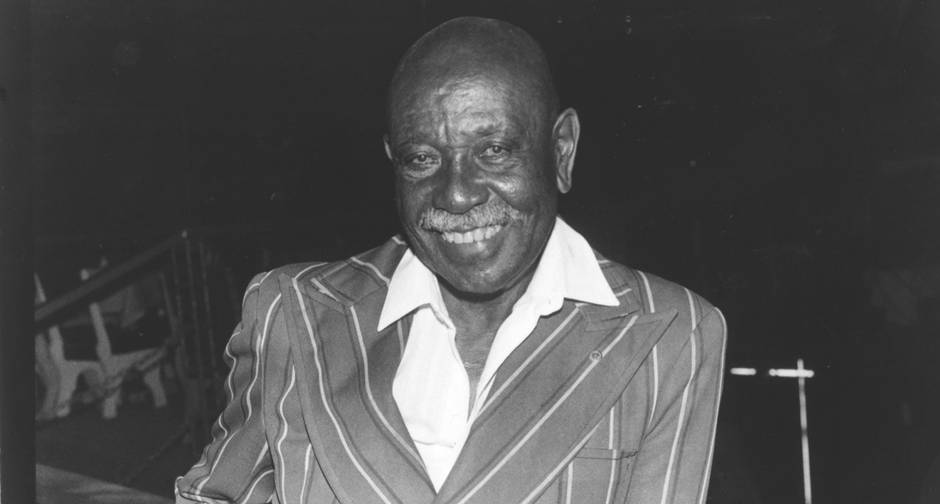
Raul Nogueira Machado de Barros (Rio de Janeiro, 25 November 1915 – Itaboraí, 8 June 2009) was a trombonist, composer, and conductor who occupies an important place in the history of Brazilian popular music and choro. Recognized as one of the great Brazilian trombonists, his name became inseparable from the celebrated choro Na Glória, a piece that became his artistic signature.
His case is especially interesting because Raul de Barros helped establish the trombone as a fully recognizable voice within the world of choro, the gafieira, radio, and the popular orchestras. Rather than appearing merely as a supporting instrument or an arranger's colour, the trombone in his hands acquired the presence of a soloist, the swing of the dance floor, and an identity of its own. This position explains why his work spans instrumental repertoire, social dance, and Brazilian radio memory simultaneously.
Training and Musical Context
Raul de Barros began his musical studies in the 1930s, first on the sax-horn with Ivo Coutinho, and then on the trombone with Eugênio Zanata. From 1935 he began performing in neighbourhood clubs and suburban venues in Rio de Janeiro, and later worked at the dance halls (dancings) Carioca and Eldorado. It was in this circuit of dancing, social dance, and radio that his musical language took shape.
His career expanded when he moved to Rádio Tupi, then to Rádio Globo — where he formed his own orchestra for the programme Trem da Alegria — and later to Rádio Nacional, where he hosted a weekly programme. This trajectory shows that Raul belonged to a generation of musicians for whom choro did not live in isolation, but in constant dialogue with radio, ballrooms, commercial recordings, and popular orchestras.
Musical Style
Raul de Barros's importance in choro is directly linked to the way his trombone combined instrumental phrasing, rhythmic drive, and immediate communicability.
The trombone as solo voice: rather than serving merely as harmonic support or an arranger's tonal colour, Raul's trombone acquired the presence of a lead voice within choro. This repositioning of the instrument is his most original — and most enduring — contribution to the genre's vocabulary.
Choro and gafieira: Na Glória, recorded in 1949, was described as "a classic of the dance floor" — a precise observation, because the piece distils his language well: it is choro, but a choro with a strong choreographic vocation, the spirit of the gafieira, and immediate popular impact.
Discography as a portrait of style: his recordings span album titles such as Trombone Zangado, Raul de Barros com o seu Trombone Romântico, Raul de Barros Toca para Dançar, and, in the mid-1970s, Brasil, Trombone. Taken together, these records project a musician who united virtuosity, dance appeal, and a very distinctive timbral personality.
Key Works
| Title | Notes |
|---|---|
| Na Glória | Written in collaboration with Ari dos Santos; recorded on 15 June 1949 with Raul de Barros and his regional. Composed when Raul and Ari were orchestra colleagues at the Dancing Eldorado in Praça Tiradentes; the title alludes to the Glória neighbourhood in Rio de Janeiro. A classic of the dance floor and the best-known piece in his catalogue. |
| O Pobre Vive de Teimoso · Malabarista (Donga) | Recorded in 1948 for Raul de Barros's first solo trombone disc. |
| Pororó...pororó · Gilda · Melodia Celestial | Compositions and recordings representative of his output across the 1940s and 1950s. |
A Listening Guide
Na Glória is the most natural entry point into the world of Raul de Barros — and also the most revealing of his place in choro. What strikes the listener is not only the melody, but the way the trombone carries it: with weight, humour, and a rhythmic suppleness one does not expect from the instrument. It is that combination of brilliance, wit, and dance vocation that made the piece a classic of both choro and the gafieira — and that explains why Raul de Barros's name remains bound to it decades after its recording.
Influences and Relationships
Formation and context:
- Ivo Coutinho — Raul's first teacher, on the sax-horn, in the 1930s.
- Eugênio Zanata — Trombone teacher; the technical foundation of his career as an instrumentalist.
- Dancing Carioca and Dancing Eldorado — Practical training environments where his musical language consolidated within the Rio de Janeiro dance and ballroom circuit.
Professional circulation:
- Rádio Tupi, Rádio Globo, and Rádio Nacional — Stations where he built his presence as a soloist and orchestra leader, with his own programmes and regular activity.
- Ari dos Santos — Co-composer of Na Glória, orchestra colleague at the Dancing Eldorado.
- Ary Vasconcelos — Organized a competition in the magazine O Cruzeiro in 1955, in which Raul was elected the best trombonist.
Reference recordings:
- Cartola — Raul de Barros is credited on trombone for Corra e Olhe o Céu on the album Cartola (1974), alongside Dino 7 Cordas, Canhoto, Meira, Copinha, Jorginho do Pandeiro, Wilson Canegal, Marçal, and Gilberto d'Ávila, with arrangement by Dino 7 Cordas. This credit derives from critical discography compiled after the original release, not from the album's original liner notes, and should be read as retroactive identification — it nonetheless places Raul within a constellation of central instrumentalists in the sound of the record.
Legacy
The legacy of Raul de Barros in choro lies in having shown that the trombone could hold a leading position without losing rhythmic wit, melodic elegance, or its bond with dance. His name became firmly attached to Na Glória, and rightly so: the piece became his musical calling card and remained alive in the repertoire of bars, gafieiras, and rodas. But his importance is not exhausted by that theme. Raul represents a way of making music in which choro, radio, the dance hall, the popular orchestra, and commercial recording coexist within a single sonic body.
To remember him today is to remember that the history of choro was not built by flutes, cavaquinhos, mandolins, and guitars alone. It was also built by musicians who brought to the genre the weight, the brilliance, and the humour of the trombone. Raul de Barros is one of those rare cases in which an instrument seems to enter the repertoire already speaking with a voice entirely its own.
Sources
- Dicionário Cravo Albin da Música Popular Brasileira — Entry "Raul de Barros." Primary source for biographical data, professional trajectory, works catalogue, and recognition as a trombonist.
- Discografia Brasileira / Instituto Moreira Salles — Phonogram Na Glória and artist page for Raul de Barros. Reference for recording dates, phonographic catalogue (23 phonograms, 13 compositions), and discographic context.
- Rádio Batuta / Instituto Moreira Salles — Text on Na Glória, including the origin of the composition at the Dancing Eldorado and the description of the piece as a classic of the dance floor.
- Discos do Brasil — Critical entry for the album Cartola (1974). Source for Raul de Barros's credit on Corra e Olhe o Céu, with the caveat that this is critical discography rather than the original liner notes.
Research note: the most solid and traceable biographical material for this entry was found in the Dicionário Cravo Albin and the IMS archive. No pages from the Instituto Casa do Choro specifically dedicated to Raul de Barros were located; this is recorded here to guide future research.
Suggested course
Move from editorial context into guided study with synchronized score and structured steps.
All courses
Browse the public course catalog connected to the content hubs.