Choropedia
Key Figures of Choro
Discover the key figures of choro, from 19th-century pioneers to contemporary musicians.
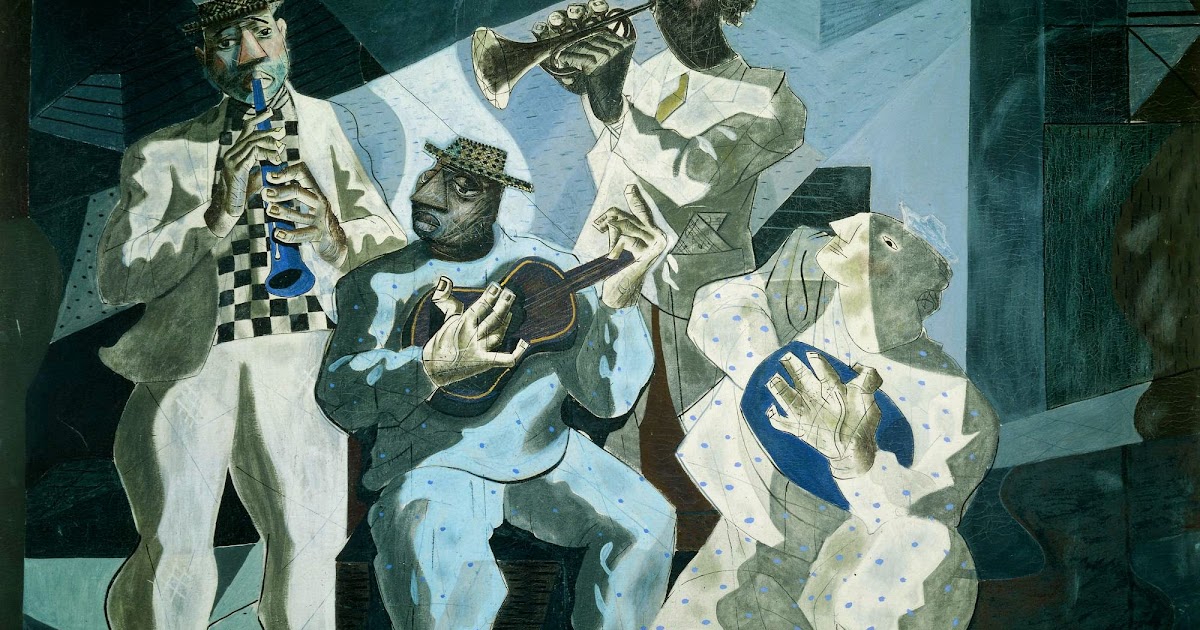
Choro developed across different generations of composers, instrumentalists, and arrangers who helped shape its language, repertoire, and collective practice. More than a chronological sequence, this lineage reveals a living tradition, passed down through jam sessions, recordings, ensembles, schools, and musical gatherings.
The list below brings together some of the most important names in the history of choro, organized by generation. It does not aim to be exhaustive, but to offer an initial overview of figures fundamental to the formation, consolidation, renewal, and continuity of the genre.
First Generation — Empire Era: The Birth of Choro
- Henrique Alves de Mesquita (1830–1906)
- Chiquinha Gonzaga (1847–1935)
- Callado (Joaquim Antônio da Silva Callado / J. Calado) (1848–1880)
- Viriato Figueira
- Sátiro Bilhar
- Ernesto Nazareth (1863–1934)
Second Generation — Early Republic: Flourishing
- Anacleto de Medeiros (1866–1907)
- Irineu de Almeida
- Patápio Silva (1880–1907)
- Álvaro Sandim
- Zequinha de Abreu (1880–1935)
- João Pernambuco (1883–1947)
- Villa-Lobos (1887–1959)
- Albertino Pimentel (1874–1929)
- Candinho Silva (1879–1960)
- Louro (1894–1956)
- Mário Álvares (1876–1909)
Third Generation — 1919 to 1930: Consolidation
- Pixinguinha (1897–1973)
- Benedito Lacerda (1903–1958)
- Luperce Miranda (1904–1977)
- Meira (Jayme Florence) (1909–1982)
- Donga (Ernesto dos Santos) (1890–1974)
- Bonfiglio de Oliveira (1894–1940)
- Luís Americano (1900–1960)
- Nelson Alves (1895–1960)
- Romeu Silva (1893–1958)
- Romualdo Miranda (1897–1971)
Fourth Generation — 1927 to 1946: The Golden Age of Radio
- Dilermando Reis (1916–1977)
- Rubens Leal Brito
- Radamés Gnattali (1906–1988)
- Garoto (Aníbal Augusto Sardinha) (1915–1955)
- Antenógenes Silva (1906–2001)
- Carolina Cardoso de Menezes (1916–1999)
- Copinha (1910–1984)
- Dante Santoro
- Gaó
- Gastão Bueno Lobo
- José Rielli
Fifth Generation — 1945 to 1950: The Little Golden Age
- Dino 7 Cordas (Horondino José da Silva) (1918–2006)
- Jacob do Bandolim (1918–1969)
- Waldir Azevedo (1923–1980)
- Bola Sete (Djalma de Andrade) (1923–1987)
- Canhoto da Paraíba (1929–2008)
- Abel Ferreira (1915–1980)
- Altamiro Carrilho (1924–2012)
- Avena de Castro (1919–1981)
- Chiquinho do Acordeom (1928–1993)
- Déo Rian (1944–2024)
- K-Ximbinho (1917–1980)
- Pedroca
- Raul de Barros
- Severino Araújo (1917–2012)
- Sivuca (1930–2006)
- Maestro Carioca
Renaissance and Contemporary Generation — from the 1970s onward
From the 1970s onward, choro underwent a strong revitalization movement, driven by musicians, researchers, jam sessions, recordings, and institutions dedicated to the genre. This phase not only preserved the tradition but also expanded its repertoire, teaching, and reach both within Brazil and abroad.
- Raphael Rabello (1962–1995)
- Armandinho Macêdo (1953–), known as Armandinho do Recife
- Cristóvão Bastos (1946–)
- Henrique Cazes (1959–)
- Hermeto Pascoal (1936–2025)
- João Lyra
- Joel Nascimento (1937–)
- Luciana Rabello (1961–)
- Maurício Carrilho (1957–)
- Paulinho da Viola (1942–)
- Paulo Aragão (1976–)
- Paulo Moura (1932–2010)
- Rogério Caetano (1977–)
- Marcílio Lopes (1960–)
- Yamandu Costa (1980–)
Final Remarks
These names help trace a historical timeline of choro, from its earliest shapers in the 19th century to the musicians responsible for its continuity and renewal in the 20th and 21st centuries. Each generation contributed in its own particular way to the development of the genre — through composition, performance, accompaniment, arrangement, improvisation, or the dissemination of the repertoire.
Like any historical overview, this selection can be expanded and explored further. Even so, it offers a solid foundation for understanding some of the most important names in the choro tradition.
Suggested course
Move from editorial context into guided study with synchronized score and structured steps.
All courses
Browse the public course catalog connected to the content hubs.