Choropedia
Hermínio Bello de Carvalho: Brazilian Cultural Icon
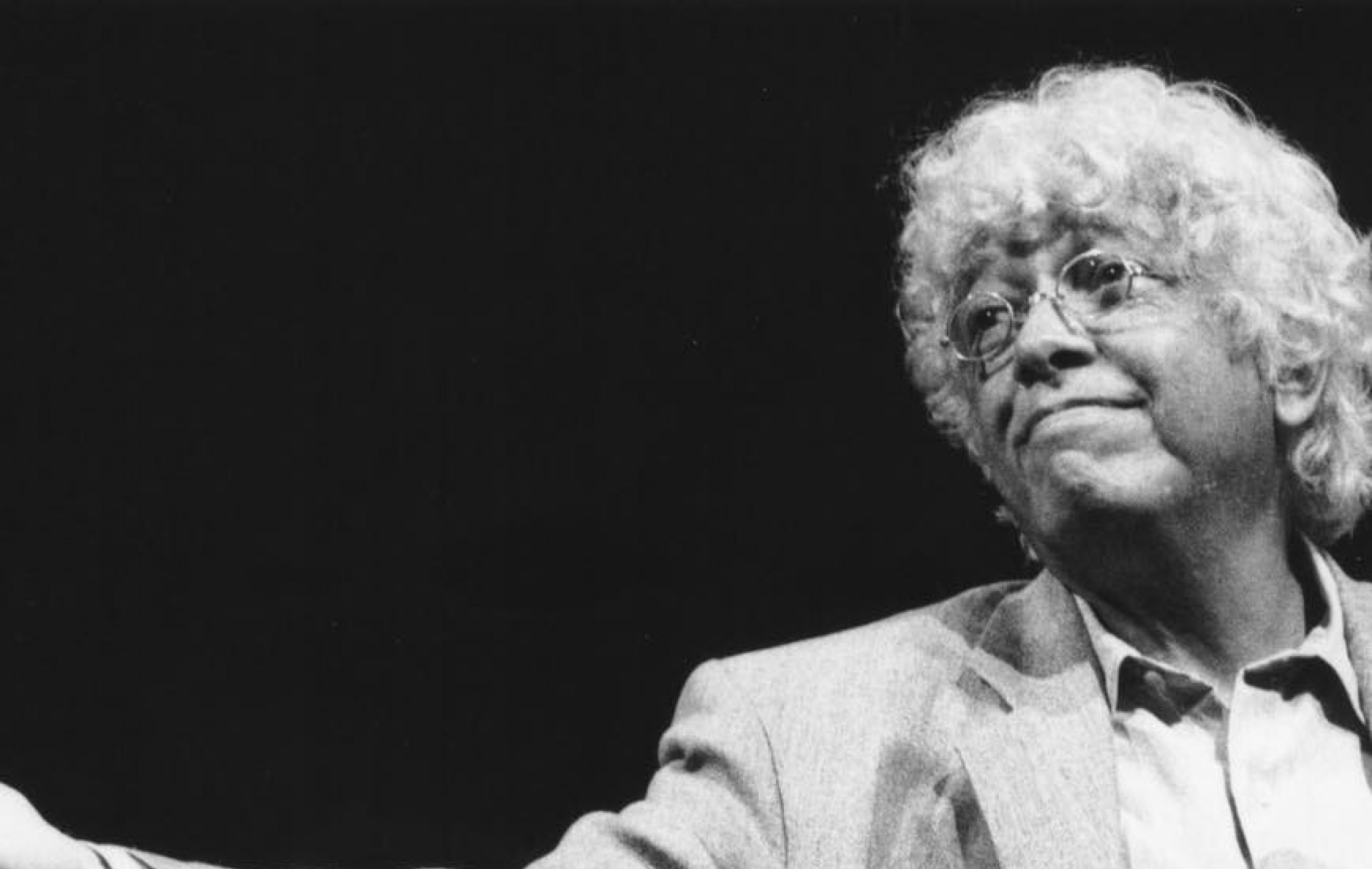
Hermínio Bello de Carvalho is a key figure in Brazilian music culture, recognized as a poet, lyricist, and cultural producer.
Introduction
Hermínio Bello de Carvalho (Rio de Janeiro, 28 March 1935) is one of the most important figures in Brazilian musical culture of the second half of the twentieth century and the early twenty-first. Poet, lyricist, writer, music producer, and cultural organizer, his trajectory extends well beyond his authorial output in the strict sense: Hermínio helped to shape repertoires, careers, theatrical productions, recordings, and policies for the preservation of Brazilian popular music.
His place in the world of choro rests not only on his closeness to its great names, but on direct creative partnerships with Pixinguinha, Jacob do Bandolim, and João Pernambuco, and on his work as a producer, cultural broker, and thinker who moved across samba, choro, and Brazilian song as fields of a single living tradition.
Career
Hermínio began his professional career in 1951 as a reporter and record columnist for the magazine Rádio-entrevista. He later contributed to publications such as O Cruzeiro, Leitura, and the Revista da Música Popular. From 1958 he also produced programmes for Rádio MEC, and in the 1970s he collaborated with O Pasquim and produced series for TVE, always with particular attention to Brazilian music and its central figures.
As director and scriptwriter, he was responsible for the legendary theatrical production Rosa de Ouro (1965), a work fundamental to the public rise of Clementina de Jesus and Paulinho da Viola. As a producer, his role was equally decisive in the documentation of Brazilian music: among the records he produced are Gente da Antiga, featuring Pixinguinha, João da Bahiana, and Clementina de Jesus, and Elizeth Sobe o Morro, as well as works involving Radamés Gnattali and other central figures.
On the institutional level, he was part of the environment that gave rise to the Projeto Pixinguinha and established at Funarte initiatives dedicated to the publication of scores, monographs, recordings, and the preservation of musical memory.
Work as Composer and Lyricist
Hermínio's catalogue includes collaborations with some of the most important names in Brazilian instrumental music:
| Work | Collaborator(s) |
|---|---|
| Fale Baixinho · Isso Não se Faz · Isso é que é Viver | Pixinguinha |
| Doce de Coco · Noites Cariocas | Jacob do Bandolim |
| Estrada do Sertão | João Pernambuco |
| Rosa de Ouro | Elton Medeiros and Paulinho da Viola |
| Alvorada | Cartola and Carlos Cachaça |
Alvorada, written in collaboration with Cartola and Carlos Cachaça, is one of his most emblematic compositions. Rosa de Ouro became a symbol of a decisive moment in the revaluation of Brazilian urban popular music.
https://www.youtube.com/watch?v=plT0PjDlleoCultural Thought and Writing
Hermínio must also be understood as a thinker on Brazilian culture. Running throughout his trajectory is a consistent commitment to a cultural policy oriented towards the formation of national consciousness, in dialogue with Mário de Andrade. His well-known argument that culture should be treated as a strategic national concern is articulated through the idea of "abrasileirar o brasileiro" ("to make the Brazilian more Brazilian") — a formulation that captures his vision of heritage, education, and memory.
A further important dimension of his work lies in his writing. Hermínio published numerous books of poetry, chronicle, and memoir, among them Cartas Cariocas para Mário de Andrade and Araca: A Arquiduquesa do Encantado, a portrait of Aracy de Almeida reissued in a revised and expanded edition in 2025. This literary output helps to show that, across his career, the word was never mere ornament to music: it was also an instrument for interpreting Brazil.
Recent Activity
Even at an advanced age, Hermínio remained artistically active. In 2023 he released the album Cataventos; in 2025 he was honoured with the production Hermínio Bello de Carvalho 90 Anos at the Casa do Choro; and in 2026 he released the album Hermínio Bello de Carvalho – 90 Anos, featuring previously unrecorded compositions and new collaborations. This sustained creative presence confirms a remarkable feature of his trajectory: Hermínio does not belong only to the history of MPB, but also to its present.
Legacy
The legacy of Hermínio Bello de Carvalho is that of a cultural organizer who understood Brazilian popular music as an integrated field — one in which preserving, naming, editing, producing, and writing are also forms of making music. His work helps to show how samba, choro, and Brazilian song are intertwined within the same living tradition, and why memory, when handled with rigour and passion, carries the force of creation.
Within the context of Choropedia, he deserves recognition not only as a lyricist and producer of great sambas, but as a link between creation, memory, research, and cultural policy — a position that few Brazilian musicians or writers have occupied with such consistency.
Sources
- Dicionário Cravo Albin da Música Popular Brasileira — Entry "Hermínio Bello de Carvalho." Primary source for biographical data, catalogue of collaborations, discography, and recent activity.
- Instituto Moreira Salles / Rádio Batuta — Sources for Hermínio's role as a discoverer and mediator of repertoires and artists; contextualisation of the theatrical production Rosa de Ouro and his discographic output.
- Funarte — Reference for his institutional role within the Projeto Pixinguinha and the initiatives for score publication and musical memory.
Suggested course
Move from editorial context into guided study with synchronized score and structured steps.
All courses
Browse the public course catalog connected to the content hubs.