Blog
The Essential Role of the Pandeiro in Choro
Discover the history of the pandeiro and its significance in choro music.
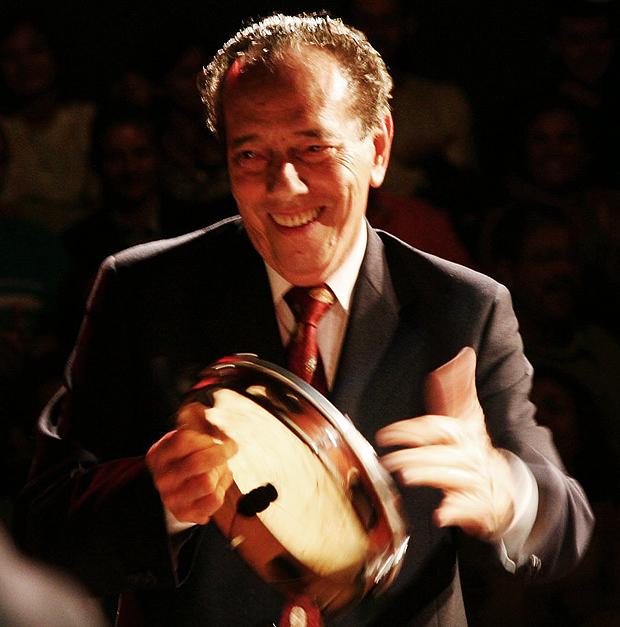
From informal music gatherings to the radio ensembles known as regionais, the pandeiro has earned a fundamental place in choro. Discover its history, the masters who shaped its musical language, and the secrets of an instrument that does far more than keep time.
With a drumhead, a frame, and small metal discs called platinelas (jingles), the pandeiro offers an impressive range of sounds. Deep bass tones, sharp slaps, accents, and continuous shimmering sounds combine to create one of the most distinctive rhythmic languages in Brazilian music.
In choro, its role goes far beyond keeping time. The pandeiro shapes the groove, interacts with the rhythmic patterns of the cavaquinho, supports the bass lines of the guitars, and responds to the phrases played by the lead instruments. It is an active participant in the musical conversation that defines the traditional ensembles known as regionais.
From Its Origins to the First Choro Ensembles
The pandeiro belongs to the ancient family of frame drums, found in cultures throughout Africa, Asia, and Europe. In Brazil, the instrument developed its own characteristics through the encounter between European and African musical traditions.
Choro emerged in Rio de Janeiro during the second half of the 19th century, when musicians such as Joaquim Callado and Chiquinha Gonzaga developed new ways of interpreting polkas, waltzes, and other European ballroom genres.
The earliest ensembles were primarily made up of flute, guitars, and cavaquinho. The pandeiro had not yet gained the prominent role it would later occupy.
Its presence became increasingly important during the first decades of the 20th century. In 1919, Os Oito Batutas, an ensemble featuring Pixinguinha, Donga, and other outstanding musicians, already included Jacó Palmieri on pandeiro.
However, it was mainly with the expansion of radio broadcasting in the 1930s that the instrument became an essential part of the regionais.
The Pandeiro in the Regionais: The Art of Accompaniment
The regionais played a decisive role in the history of Brazilian popular music. Usually consisting of a lead instrument, cavaquinho, six- and seven-string guitars, and pandeiro, these ensembles accompanied singers and performed choros, sambas, waltzes, and other musical genres.
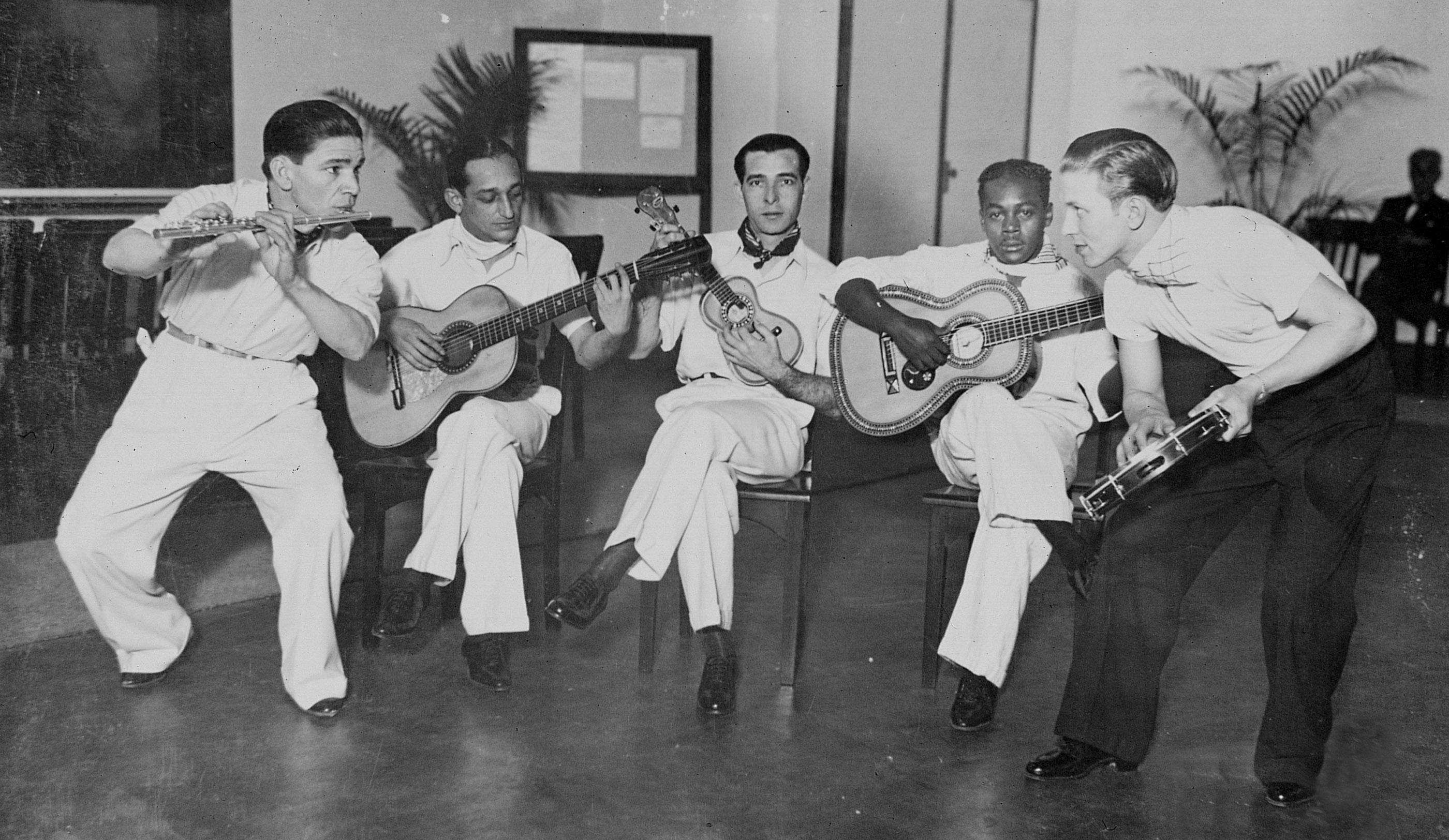
Within these ensembles, each instrument has its own function, but all contribute to shaping the rhythm.
The cavaquinho provides harmonic and rhythmic accompaniment, the guitars develop rhythmic patterns (levadas) and melodic bass lines (baixarias), while the pandeiro maintains the pulse and adds accents, variations, and subtle changes in tone color.
In choro, which is frequently written in 2/4 time, the jingles can provide a continuous stream of sixteenth notes, forming a rhythmic foundation upon which different patterns are developed.
The low tones of the drumhead, slaps, offbeat accents, and rolls allow the pandeiro player to create sophisticated accompaniment without necessarily filling every available space in the music.
A bass stroke can reinforce a melodic bass line played by the seven-string guitar. An offbeat accent can interact with the cavaquinho's rhythmic pattern. A brief pause can bring greater expression to a soloist's phrase.
The sophistication of pandeiro playing lies not only in mastering these techniques, but also in knowing when and how to use them.
The Great Masters of Pandeiro in Choro
The musical language of the Brazilian pandeiro was shaped by generations of musicians who developed their own techniques and distinctive styles.
João da Baiana (1887–1974) was one of the pioneers of the instrument in Brazilian popular music. Closely connected to Rio de Janeiro's Afro-Brazilian musical traditions, he became known for his expressiveness and wide variety of rhythmic techniques. His career also reflects the repression faced by popular musicians in the early 20th century, when he even had his pandeiro confiscated by the police.
With the expansion of radio ensembles, musicians such as Russo do Pandeiro, Popeye, and Risadinha (1923–1997) helped develop different approaches to accompaniment. From Russo's exuberance to Popeye's restraint and Risadinha's rhythmic inventiveness, a musical vocabulary emerged that would influence future generations.
Gilberto d'Ávila, a member of the original lineup of the Época de Ouro ensemble, became a reference for the elegance, precision, and balance of his playing. His style can be heard on the landmark 1967 album Vibrações, alongside Jacob do Bandolim.
Jorginho do Pandeiro (1930–2017) was one of the musicians most responsible for developing and passing on this musical language. Drawing on the traditions of the regionais, he introduced his own approaches to articulation, accentuation, and rhythmic flow. His ability to interact with melodies and the other instruments became a fundamental reference for pandeiro playing in choro.
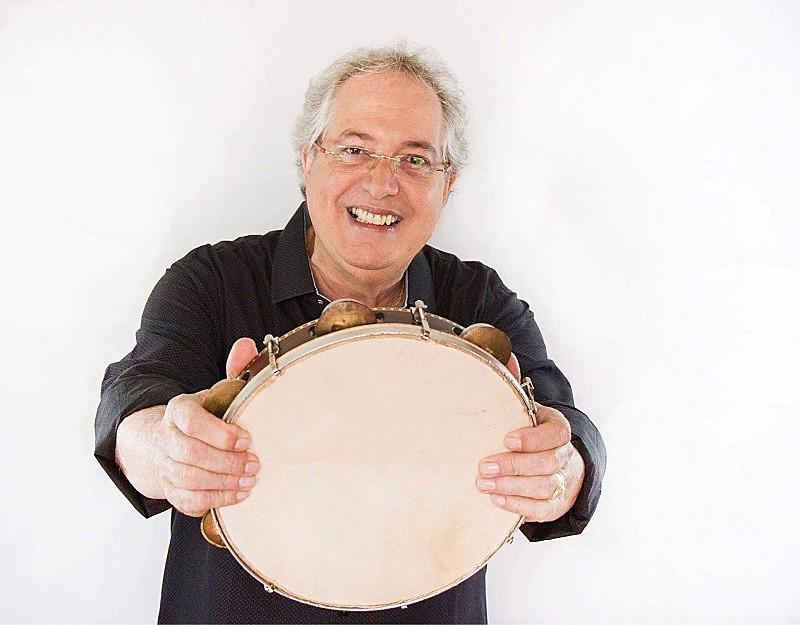
His son, Celsinho Silva, continued this tradition, building an important career as both a performer and an educator. Having played with ensembles such as Os Carioquinhas, Camerata Carioca, and Nó em Pingo d'Água, and through his work at the Escola Portátil de Música, he became one of the leading figures in training new generations of pandeiro players.
A Tradition in Constant Evolution
In recent decades, musicians such as Marcos Suzano, Bernardo Aguiar, Sergio Krakowski, Roberta Valente, and Clarice Magalhães, among many others, have expanded the technical and expressive possibilities of the pandeiro, exploring new sounds, articulations, and approaches to accompaniment.
These developments show that tradition is not a fixed collection of techniques. It is a body of knowledge that evolves with each generation, preserving its history while opening the door to new forms of expression.
In choro, however, one essential principle remains: music is a collective creation.
Learning to play the pandeiro means developing coordination, a steady pulse, and control over the instrument's different sounds. But it also means understanding musical structure, recognizing melodic phrases, and, above all, learning to listen.
The great masters demonstrate that the quality of an accompaniment does not depend on the number of notes played. Sometimes, the difference lies in an almost imperceptible accent, a bass stroke placed at exactly the right moment, or a note deliberately left unplayed.
The pandeiro may seem like a simple instrument, but in the hands of someone who knows how to listen, it holds an entire world of music.
Take Your Pandeiro Playing Further
Learning about the instrument's history is also a way to enrich your own musical practice. At ChoroLab, instructor Sacha Bittar teaches techniques, rhythmic patterns, and accompaniment skills for musicians who want to develop their pandeiro playing and explore the instrument's possibilities in choro.
References
- IPHAN. Choro: History, Development, and Social Function. Technical dossier for the recognition of Choro as Brazilian Cultural Heritage.
- VIDILI, Eduardo Marcel. Pandeiro brasileiro: transformações técnicas e estilísticas conduzidas por Jorginho do Pandeiro e Marcos Suzano. Master's dissertation, UDESC, 2017.
- VIDILI, Eduardo Marcel. Trânsito e significados do pandeiro no Rio de Janeiro (1900–1939). Revista do Instituto de Estudos Brasileiros, 2021.
- BARÃO DO PANDEIRO. O pandeiro e os pandeiristas do Choro. Revista do Choro, 2014.
- CASA DO CHORO. Historical and biographical archive of Brazilian musicians.
Suggested course
Move from editorial context into guided study with synchronized score and structured steps.
All courses
Browse the public course catalog connected to the content hubs.